


The Federal Reserve isn’t rushing to cut rates—and with good reason, experts say.
Inflation is still running hot, job growth remains strong, and now, with a fresh wave of trade and tax policy changes coming from the Trump administration, the central bank has even more to assess before making its next move.
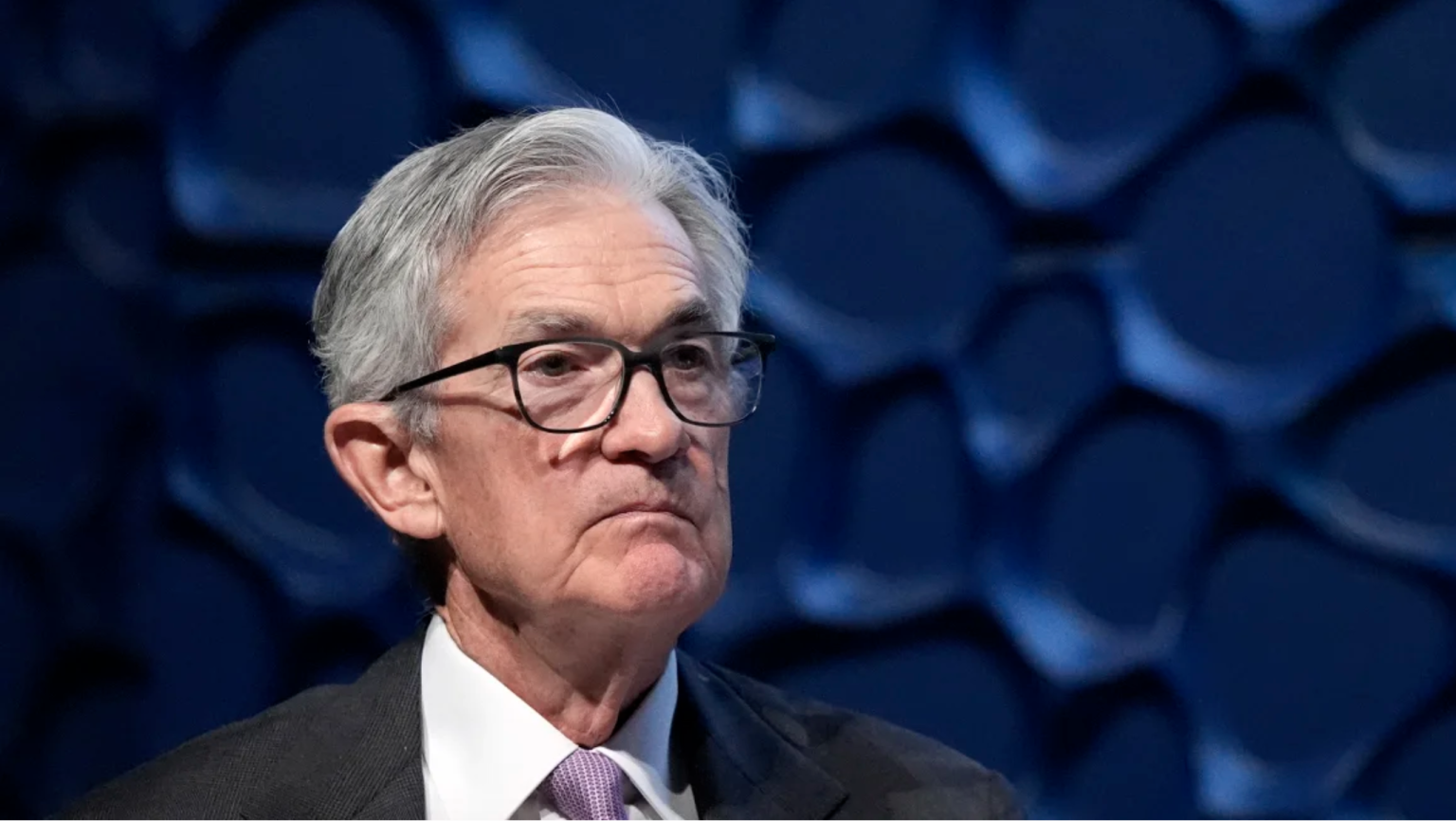
Fed Chair Jerome Powell will testify before Congress on Tuesday and Wednesday, where he’s expected to reinforce the message: the economy is in a good place, but inflation isn’t cooling fast enough to justify further rate cuts—at least not yet.
Inflation and job data
The latest consumer price index (CPI) data, set for release on Wednesday, is expected to show that core inflation (excluding food and energy) rose 0.3% in January—the fifth time in six months that it has hit that level.
On an annual basis, core CPI is projected at 3.1%, barely down from December’s 3.2% and just a 0.2 percentage point decline from mid-2024. It’s a clear sign that after sharp disinflation in 2023 and early 2024, the process is losing steam.
Meanwhile, job growth is accelerating. Payrolls have averaged 237,000 new jobs per month over the past three months, the fastest pace since early 2023. Wage growth is steady, consumer spending remains strong, and there’s little evidence of economic weakness that would push the Fed toward another cut.
“The economy isn’t cooling the way the Fed expected,” said Matthew Luzzetti, chief U.S. economist at Deutsche Bank. “With labor market strength and still-sticky inflation, Powell will likely emphasize patience on rate cuts.”
What this means for interest rates
After slashing rates by a full percentage point in 2024, the Fed appears content to hold steady for now. Market expectations for a March rate cut have already faded, and the focus is now shifting to June or later.
“Chair Powell has said the Fed needs to see ‘real progress’ on inflation or some labor-market weakness to consider adjusting rates,” wrote Bloomberg economists Anna Wong, Stuart Paul, and Eliza Winger. “We think January’s CPI will offer mixed evidence—not enough to justify a cut anytime soon.”
Other analysts agree. Bank of America expects the first rate cut in June, while Goldman Sachs sees the Fed holding off until at least July unless inflation falls below 3% more convincingly.
“The risk here is that sticky inflation combined with strong job growth forces the Fed to delay rate cuts even further,” said Ellen Zentner, chief U.S. economist at Morgan Stanley. “If inflation remains at 3% or higher into the summer, a September cut—not June—could be the baseline.”
Trump’s trade policies could keep inflation elevated
Adding to the uncertainty is Trump’s latest tariff proposal, which could complicate the inflation outlook. The administration is expected to unveil reciprocal tariffs this week, potentially triggering higher import costs that could push prices up further.
If these tariffs materialize, analysts warn they could add 0.2 to 0.3 percentage points to headline inflation—a small but meaningful bump that could reinforce the Fed’s reluctance to ease too soon.
“Tariffs, especially on key imports, tend to have an inflationary effect,” said David Mericle, economist at Goldman Sachs. “If enacted, they could delay the Fed’s ability to bring rates down, particularly if businesses pass those costs to consumers.”
What to watch next
Beyond CPI, the January retail sales report, set for Friday, will give more insight into consumer spending trends. Economists expect another strong month, excluding auto sales, reinforcing that Americans are still spending despite high interest rates.
For now, the Fed has plenty of reasons to stay put—inflation isn’t falling fast enough, the labor market is healthy, and new trade policies could create fresh economic uncertainties. Until the data convinces Powell otherwise, the Fed is likely to stay the course and keep rates right where they are.