


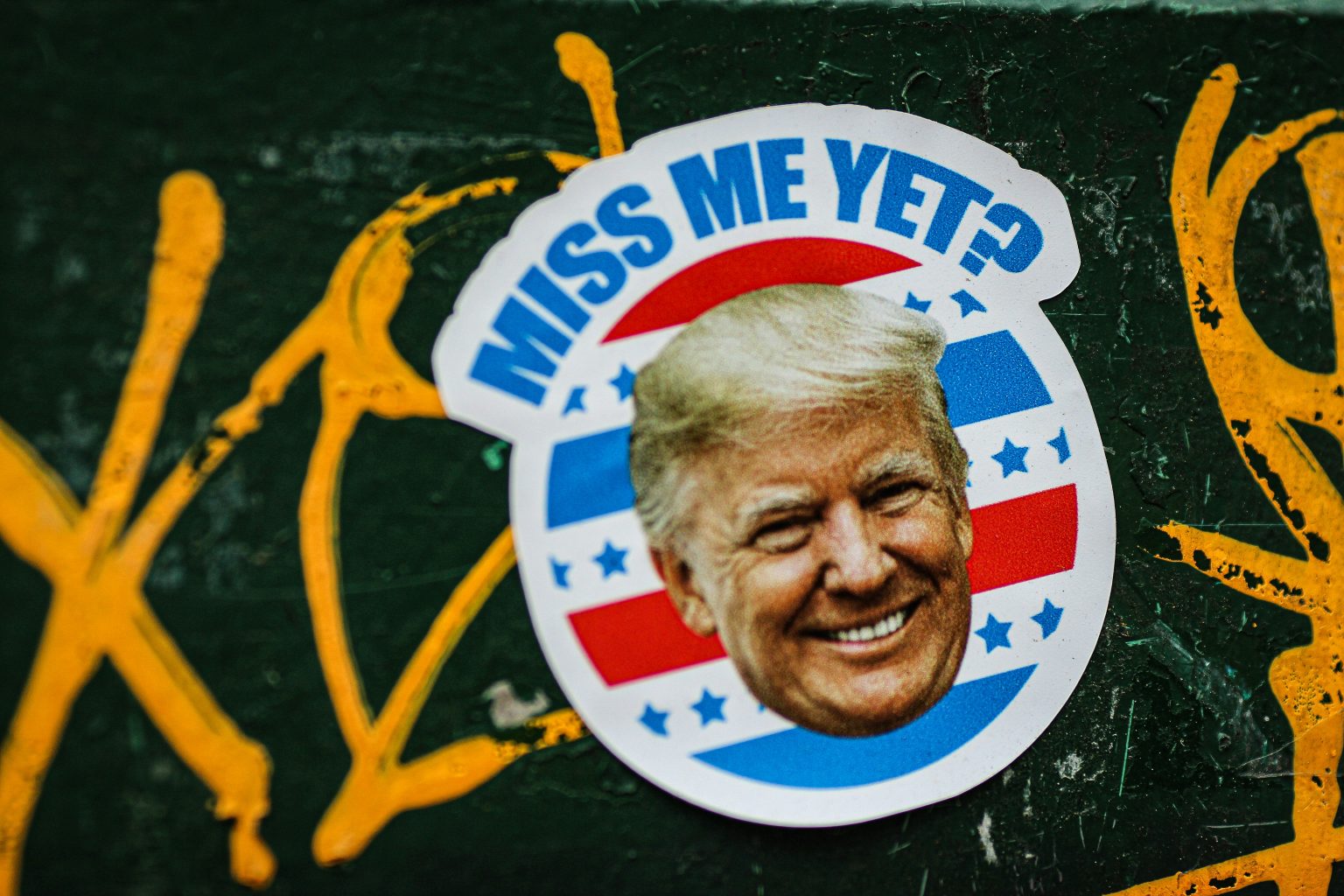
The Trump administration’s aggressive push to shrink the federal workforce is already making waves in the labor market, and analysts warn that the trend could intensify in the months ahead.
With a hiring freeze in place from day one and the creation of a Department of Government Efficiency, the White House is signaling a major shift away from government-driven job creation, which had been a key buffer for the economy in 2023 and early 2024.
According to UBS economist Jonathan Pingle, this shift is set to flip government employment from a tailwind to a headwind, potentially weighing on overall job growth.
“Government employment gains of over 60,000 jobs per month in 2023 accounted for nearly 30% of total job creation last year,” Pingle noted in a recent report.
“That surge helped insulate the economy from higher interest rates, but now we expect that support to fade or even reverse as federal hiring slows and state and local employment growth cools.”
Why this matters for the broader economy
Government hiring had been a rare source of strength in the labor market, adding stable, interest rate-insensitive jobs even as private sector hiring cooled. But with the White House prioritizing spending cuts over expansion, Pingle sees a structural slowdown in government job creation that could ripple across the economy.
The federal hiring freeze could eliminate tens of thousands of positions, reducing demand for labor and slowing wage growth in key sectors.
State and local government hiring—which had been bolstered by post-pandemic fiscal stimulus—is also expected to slow as budgets tighten.
A shrinking public sector workforce means less support for consumer spending, particularly in regions where government employment plays a large economic role.
Pingle believes this trend could become more apparent in economic data over the next few months, particularly in weekly jobless claims and durable goods orders.
Budget uncertainty adds another layer of risk
On Capitol Hill, lawmakers are preparing for a budget battle that could further shape the trajectory of government employment. A House vote on budget instructions could happen next week, though the timing remains uncertain.
Pingle points out that the current proposal leaves little room for new tax cuts beyond extending the bulk of the expiring 2017 provisions, meaning there’s limited fiscal stimulus on the table to offset job losses.
Meanwhile, inflation data could show renewed progress, with Pingle expecting core PCE prices to decline from 2.8% to 2.5% in January. However, elevated long-term inflation expectations—which recently hit their highest level since 1995—could complicate the Fed’s decision-making process.